Theme
Products & Services
NNG EV Navigation
NNG EV Navigation is charging search, range and charging planning for electric vehicle programs, built into NNG Navigation.

NNG EV Navigation
Charging discovery along the route
Charging search runs along the planned route by default and around the vehicle when no route is set, matched to the connectors the vehicle supports, online with onboard fallback.
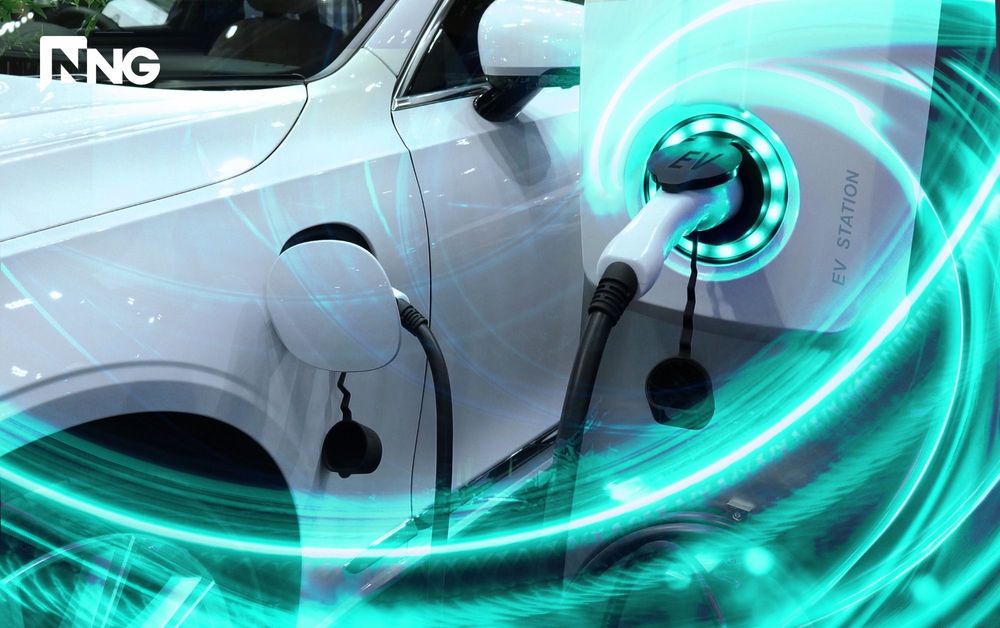
Four things discovery delivers

Search along the route
Charging stations are searched along the planned route by default, and around the current position when no route is set. Results are matched to the connectors the vehicle supports.
Station detail at a glance
Each result shows connector counts by type, charging power, public or private access, and live occupancy where the online service provides it.
Rapid chargers first
DC rapid chargers are prioritized along the route, with the option to widen the search to AC charging.
Range drawn on the map
Drivable range is recalculated in the background and fades in on overview zoom levels. With an active route, the range boundary is drawn on the route itself.
Charging plans for long journeys
When the estimated battery level on arrival would fall below the minimum, the planner builds a charging plan from rapid stations along the route, optimized for total trip time, and keeps it current on the road.
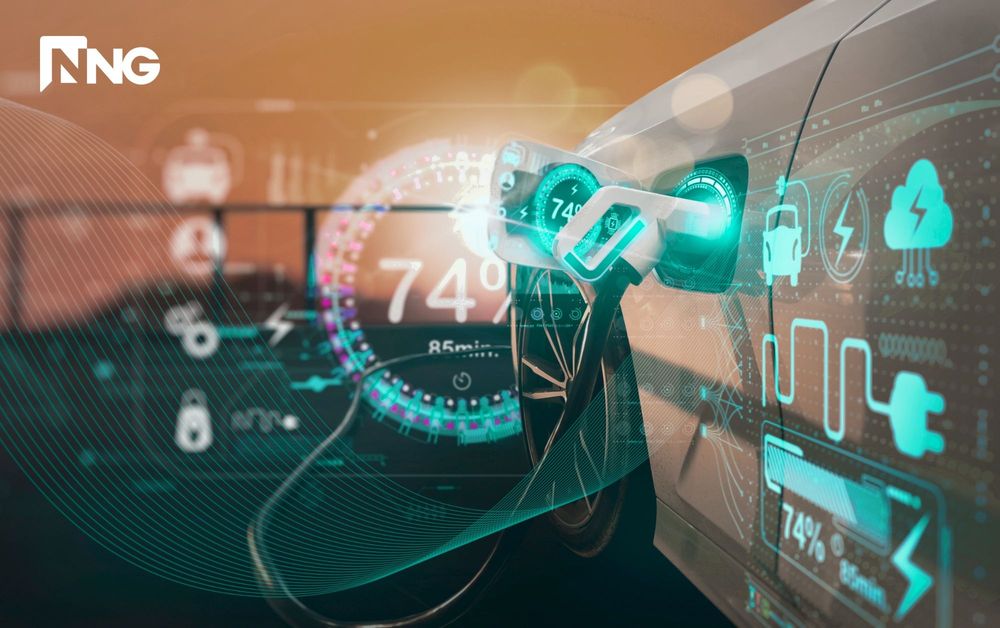
Four things the plan does
State of charge per stop
Each planned stop shows connector count, charging power, estimated state of charge on arrival, suggested charge level and estimated charging time.
Re-planned as consumption changes
Consumption is re-estimated while driving, charge targets adjust when reality diverges, and a fresh plan is built when the current one stops being feasible. Waypoint changes trigger a clean recalculation.
Driver preferences respected
Minimum battery level during the journey and at the destination, defaulting to 20 and 30 percent, plus charging brand include and exclude lists built from encountered networks.
Warnings that escalate
Low-battery alerts double as charging search shortcuts. The system monitors how many compatible stations remain reachable and escalates to a red warning before the point of no return.
Modeling and integration depth
Range, state of charge and charging estimates run on NNG-built models fed by the signals your powertrain provides. Each EV feature needs only the integration depth listed below.
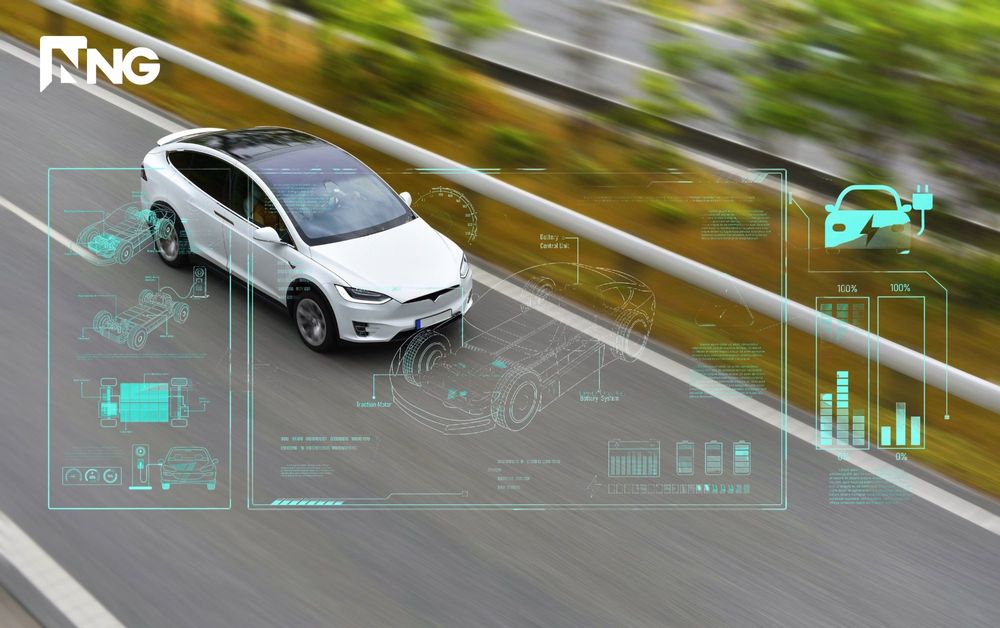
What the estimates run on
Consumption modeled two ways
A detailed physical consumption model that calculates energy use from route geometry, speed, terrain and vehicle parameters.
Charging curves, preconditioning included
Charging modeling covers state-of-charge-dependent charging curves to estimate stop duration, and can notify the powertrain to precondition the battery ahead of a planned DC stop.
Signals aligned per program
The powertrain supplies state of charge and consumption data through defined interfaces. NNG aligns the signal set with your team during integration.
Powertrain integration needed per feature
| EV feature | Powertrain integration |
|---|---|
| Charging station search and visualization | None |
| Range visualization and range warnings | Simple integration (vehicle-reported driving range, no charging planning); consumption modeling preferred |
| State of charge estimation at waypoints | Consumption modeling |
| Charging planning and optimization | Consumption and charging modeling |
Delivered with NNG Navigation
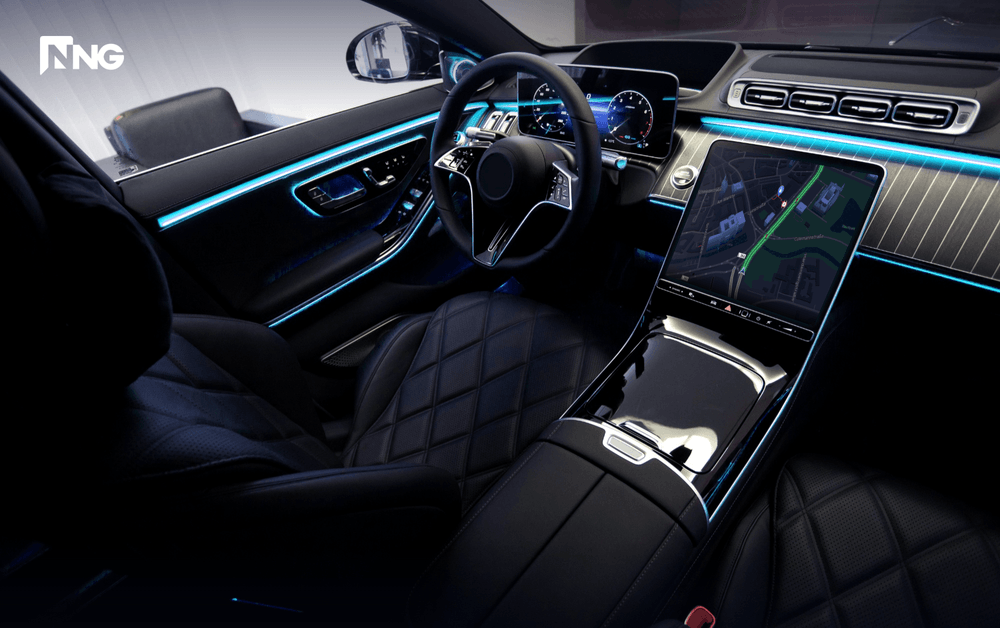
EV capability ships inside every NNG Navigation delivery: the SDK integrated into the infotainment system, or the complete application, including distribution through automotive app stores.
Three ways it reaches the vehicle
Inside the embedded SDK
The EV layer runs on the same navigation core as the rest of the program, integrated into the infotainment system under your brand.
As a complete application
The same EV experience delivered as a branded application, embedded on Android, Linux and QNX.
In automotive app stores
Distributed through automotive app stores such as Faurecia Aptoide, where NNG’s navigation app was the first EV navigation in 2024.
Four reasons EV programs build on NNG
Only reachable chargers offered
Along-route search offers only chargers the vehicle can reach from the route. A station beside a motorway without an exit is filtered out before the driver sees it.
Charging search that works offline
Online charging search falls back to onboard EV content when connectivity drops, and drivable range is recalculated onboard in the background. Guidance holds where the cloud stops.
Starts with zero vehicle integration
Charging search and station display run with no powertrain integration. Range, state of charge estimates and full charging plans follow as consumption and charging models are integrated, feature by feature.
EV navigation since 2017
NNG has shipped dedicated EV navigation since 2017, in embedded programs and in automotive app stores. The same EV layer is available in both NNG Navigation SDK and App deliveries.
Frequently asked questions
Does charging search need powertrain integration?
Charging station search and visualization run without any powertrain integration. Range, state of charge estimates and charging plans are added as consumption and charging models are integrated.
Which vehicle signals does charging planning need?
State of charge and consumption data from the powertrain, through defined interfaces. NNG aligns the signal set with your team during integration, and charging curves and consumption parameters raise the accuracy of every estimate.
Does EV navigation work without a connection?
Yes. Charging search falls back to onboard EV content when connectivity drops, and drivable range is recalculated onboard. Online search and live occupancy return automatically with the connection.
What happens when a planned charger becomes unavailable?
Unplanned charging stops and stations that become unavailable are absorbed the same way as a consumption change: charge targets adjust, and a fresh plan is built when the current one stops being feasible.
Can the driver set charging preferences?
Yes. Minimum battery level during the journey and at the destination, defaulting to 20 and 30 percent, plus charging brand include and exclude lists built from encountered networks.
Can EV capability be added to an existing in-vehicle experience?
Yes. Charging discovery can ship as an overlay into an experience drivers already use, with a fully NNG-rendered EV experience available where a program calls for it.
Let’s put EV navigation in your program
Charging discovery, range and charging plans on your vehicle data, from a start with zero integration to the full planner.
Ready to see it on your platform?
Related Products & Solutions



About NNG
NNG is a global automotive software company with over 20 years of experience in navigation, map production, and connected mobility. Our software runs on 60M+ devices in series production, and 11 of the 14 top automotive groups build on it, delivered as embedded, aftermarket, and mobile navigation on any platform.